

Patients seeking treatment for neuropathy often report a similar pattern: symptoms affecting both feet, worsening at night, with burning, numbness, tingling, or reduced sensation. Medications may lessen discomfort without addressing the underlying nerve dysfunction. This pattern is commonly associated with peripheral neuropathy.
What Is Peripheral Neuropathy?
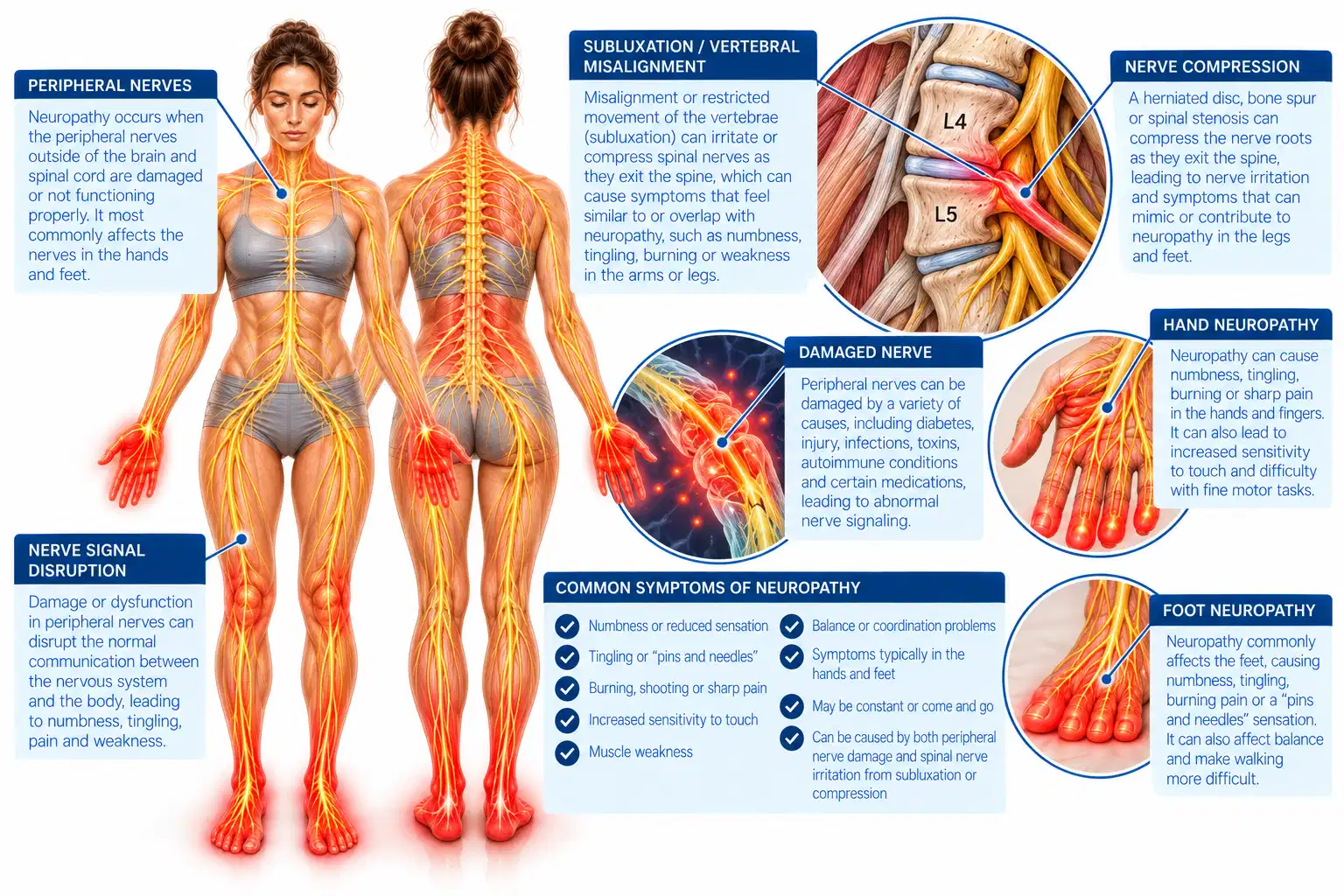
Peripheral neuropathy is damage or dysfunction in the nerves outside the brain and spinal cord. The longest fibers fail first. The pattern is usually on both sides, in a stocking distribution. Although neuropathy is most common in feet, hands can follow. Strength is often still normal when the sensory symptoms are already ruining sleep.
A pinched nerve root can feel like a line of pain going down one leg and is set off by sitting or bending. An entrapped single nerve stays in the territory of that nerve. Those are not peripheral neuropathy, and they do not improve on a neuropathy plan. The first job of the visit is to separate the three.
Neuropathy Symptoms in the Feet and Legs
The symptoms that bring people to a neuropathy evaluation in Charlotte are sensory, distal, and often worse after dark.
One foot only, or a line of pain from the buttock down the back of the thigh, should not be labeled neuropathy until the spine and the single-nerve entrapments have been ruled out. If you are experiencing heel and arch pain with a quiet nerve, please learn more about this on our Foot and Ankle page.
What Causes Neuropathy
The underlying cause of neuropathy helps guide treatment, although different causes can produce very similar symptoms. Common causes include vertebrae misalignment, diabetes, chemotherapy, certain medications, and cases in which no specific cause is identified. Alcohol use, vitamin B12 deficiency, and impaired circulation can also contribute.
Less common causes include infections, kidney disease, and tumors or other masses affecting a nerve. When neuropathy is related to another medical condition, treatment should include management of that underlying disease.
Diabetic Neuropathy
Diabetes is one of the most common causes of peripheral neuropathy. Nerve damage can occur even in patients who monitor their glucose closely, although poor glycemic control increases the risk of progression. Diabetes management remains with the physician overseeing the condition. Our focus is on the neurologic consequences, including burning pain, numbness in the feet, loss of protective sensation, and impaired balance. Established diabetic neuropathy is often not reversible, so treatment is directed toward symptom control, maintaining function, reducing fall risk, and limiting further nerve injury.
Idiopathic Neuropathy
Idiopathic neuropathy is diagnosed when an appropriate evaluation does not identify a specific cause. This is a common diagnosis in patients who have already undergone laboratory testing or specialist evaluation but continue to experience burning, numbness, tingling, or sensory loss. The absence of an identified cause does not eliminate the need for a careful neurologic examination to confirm that the symptoms are consistent with peripheral nerve dysfunction. We often see a misaligned vertebra as the cause of the problem that others have missed or don't know how to identify.
Chemotherapy-Induced Neuropathy
Chemotherapy-induced peripheral neuropathy may begin during cancer treatment and persist after chemotherapy has ended. Management of the cancer treatment itself remains with the oncology team. Our evaluation focuses on the residual neurologic symptoms, including burning pain, numbness, sensory loss, and difficulty with balance or walking. The timing and progression of symptoms are important, particularly when distinguishing stable chronic neuropathy from ongoing or worsening nerve dysfunction.
Neuropathy Associated with Statin Use
Some patients report the onset of neuropathy symptoms while taking a statin, although the relationship is not always clear and other causes must be considered. Decisions about stopping or changing a statin should remain with the prescribing physician. Our role is to document the timing of symptoms, evaluate for objective signs of peripheral nerve dysfunction, and treat the patient's pain and sensory impairment while medication management is addressed by the prescribing clinician.
How Neuropathy Can Be Diagnosed
The single biggest reason patients finally get relief here is a complete diagnosis that standard approaches often miss.
Leg pain, loss of feeling, tingling, numbness, burning sensations, and weakness frequently stem from a pinched nerve caused by different types of neuropathy or a weak disc.
You might also feel specific pain in the back of the leg past the knee, along the outside or front of the calf from issues like piriformis syndrome, sciatica, low back problems, disc issues, core weakness, weight-related strain, or injury to muscles like the gluteus minimus.
At Dynamic Health Carolinas we do not stop at surface-level checks. Our thorough evaluation, which includes advanced diagnostics, helps us spot exactly what is happening with your nerves and supporting structures. That is why we successfully treat idiopathic neuropathy when the cause is unclear, diabetic neuropathy, post-chemotherapy neuropathy, and neuropathy linked to statin drug use.
Getting a full picture changes everything because it lets us build a plan that addresses your unique situation instead of just treating symptoms.
Who Is a Good Candidate for Leg Pain and Neuropathy Care at Dynamic Health Carolinas
The best news is that most people dealing with ongoing leg pain or neuropathy symptoms can benefit when they come to us. We conduct a thorough evaluation and diagnosis to rule in and out various possibilities. Whether your discomfort started gradually or followed an injury, surgery, or medical treatment, our evaluation helps determine if our protocols are the right fit. We have helped patients who felt they had tried everything else and still could not find lasting comfort.
You are a strong candidate if you want to avoid surgery, prefer treatments that address the actual cause rather than just covering up the pain, and are ready to follow a personalized plan that includes both advanced therapies and practical support for daily function. Even if you have lived with symptoms for years, many of our Charlotte-area patients report they wish they had come in sooner because the improvement feels so life-changing.
Circulation, Balance, and Walking
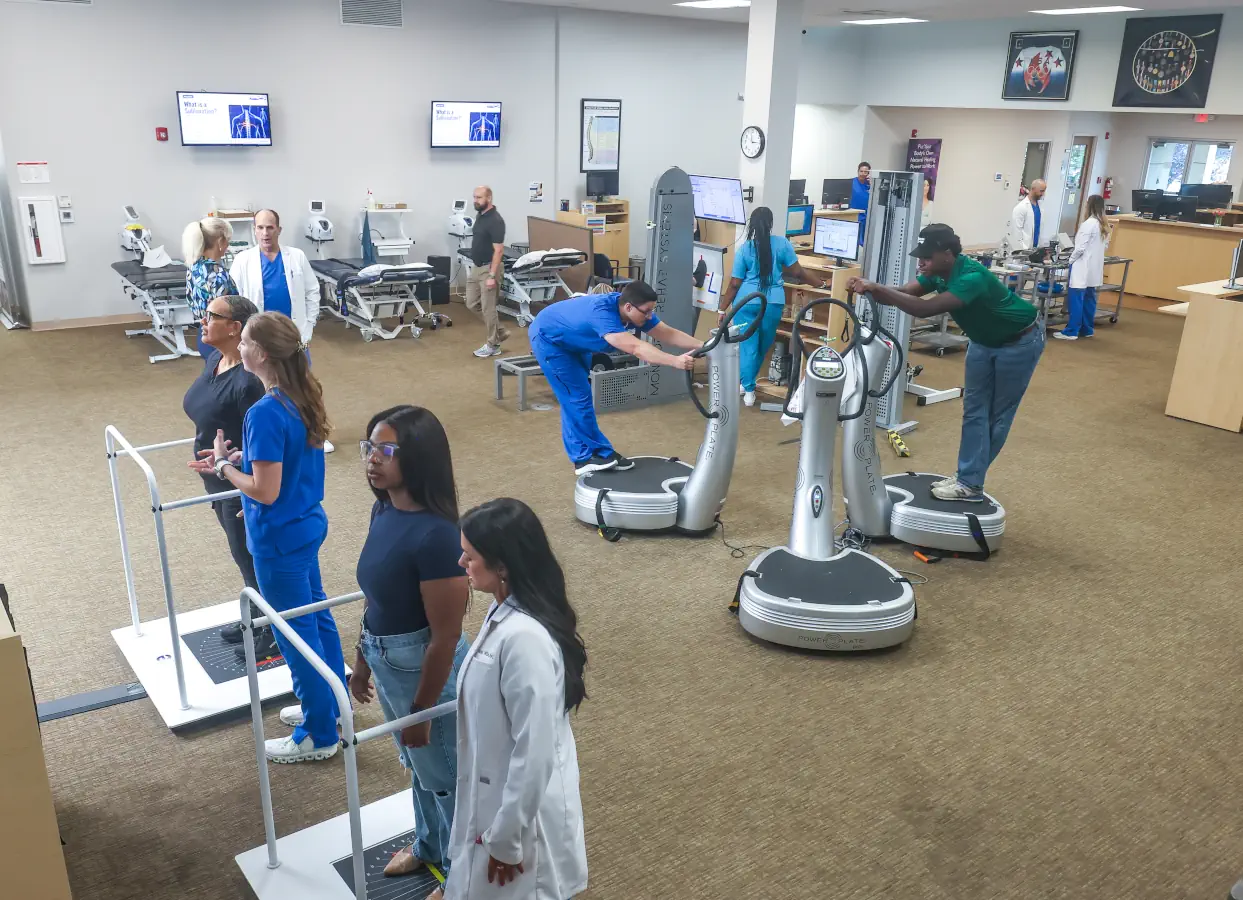
Peripheral neuropathy can impair sensation, balance, and gait, increasing the risk of falls. Treatment may include assessment of lower-extremity circulation, balance training, gait rehabilitation, and strength exercises. Keeping neurologic evaluation and rehabilitation within the same care plan allows treatment to address both the nerve findings and their functional effects.
Have You Tried Regenerative Medicine for Neuropathy?
Regenerative Medicine at Dynamic Health Carolinas is an in-office procedure that uses the patient's own biologic material, processed with FDA-cleared equipment. You will notice the difference from the very first steps we take together. Our treatment protocols combining Regenerative Medicine with supportive therapies help you:
Patients tell us they can go barefoot again or walk farther than they have in years because the treatment stimulates your body's natural healing processes while we strengthen the areas that support your nerves.
Our team works as one unit. We bring specialized training in neuromuscular disorders and electromyography, which is especially valuable for neuropathy cases. Our chiropractic physicians, including those with experience in extremity care and sports medicine, focus on alignment, mobility and the deeper structures that often get overlooked. Physical rehabilitation specialists round out the plan, so every piece works together. This is not a one-size-fits-all approach. It is medical-led, non-surgical care designed specifically for you in Charlotte.
Why Charlotte Patients Choose Dynamic Health Carolinas for Leg Pain and Neuropathy
Here is what truly sets us apart from other providers in the Carolinas. We do not just treat leg pain and neuropathy. The Dynamic Health Carolinas treatment solutions address all aspects of the problem including bone/movement, nerve function, muscle function, soft tissue inflammation and degenerative elements. All of this under one roof, one team, one plan. That level of integrated expertise means your care stays coordinated and focused on results instead of bouncing between separate offices.
We also stand out because of our commitment to a full diagnosis first. Many patients tell us other places never dug deep enough, which explains why standard neuropathy treatments often fall short. Our Regenerative Medicine protocols, paired with proven supportive therapies and in-depth diagnosis, give your body the best chance to heal from within. Plus, we are local, right here on South Boulevard in Charlotte, so follow-up visits are convenient and our team genuinely gets to know you and your goals.
Neuropathy Evaluation in Charlotte
A neuropathy evaluation may include a consultation with the doctor and X-rays if indicated. The goal is to determine whether symptoms are consistent with peripheral neuropathy or another condition affecting the nerves, spine, circulation, balance, or gait.
Recommended treatment, expected costs, and insurance considerations are reviewed before care is scheduled. We work with most insurance plans.
Call (704) 525-6288 or request an appointment to schedule a neuropathy evaluation.

Real Patients. Real Relief.
Over 500 5-star reviews
I was there for treatment of neuropathy by [Dynamic Regenerative Medicine]! I have not been able to go barefooted in 10 years! Have only been able to wear shoes with memory foam! Sleeping at night was terrible with the burning! Very happy to say this was a fantastic team helping me! Very social and friendly! Highly highly recommend them! No problems sleeping and happy to say shoes are not a problem for me!
— Jerry
They have an awesome program that has helped me with managing my neuropathy pain since I began attending. The staff is wonderful and they all have a great deal of compassion for all of their clients.
— Julian
Frequently Asked Questions About Neuropathy Treatment
Leg pain and neuropathy relief is possible without surgery.
You do not have to keep living with leg pain or neuropathy holding you back. At Dynamic Health Carolinas we have watched so many local patients rediscover the joy of pain-free walks, restful nights, and confidence in their steps. Our team is here, just a phone call away, and genuinely cares about helping you get those results.
Call (704) 525-6288 today to schedule your free neuropathy evaluation. It is the easiest way to find out exactly what is going on and whether our approach is the right fit for you. We look forward to meeting you and helping you move forward with hope and real relief.